Step-by-Step: How to File a Roof Insurance Claim in Atlanta
Published 6 min read
Storm season in Atlanta hits hard. Between summer hailstorms, high winds, and the occasional tornado warning, Atlanta homeowners deal with more roof damage than most people realize. If your roof has taken a beating, knowing how to file a roof insurance claim in Atlanta can mean the difference between a full repair covered by your policy and thousands of dollars out of pocket. Here’s exactly what to do — from the moment the storm passes to the day your roof is fixed.
Assess the Damage Before You Call Anyone
Right after a storm, your first instinct might be to call your insurance company immediately. But before you do, take a moment to document everything you can safely see. Walk around the exterior of your home and look for missing shingles, dented gutters, cracked flashing, or granules collecting in your downspouts. Take clear photos and short video clips of every affected area, including the date and time if your phone captures it automatically.
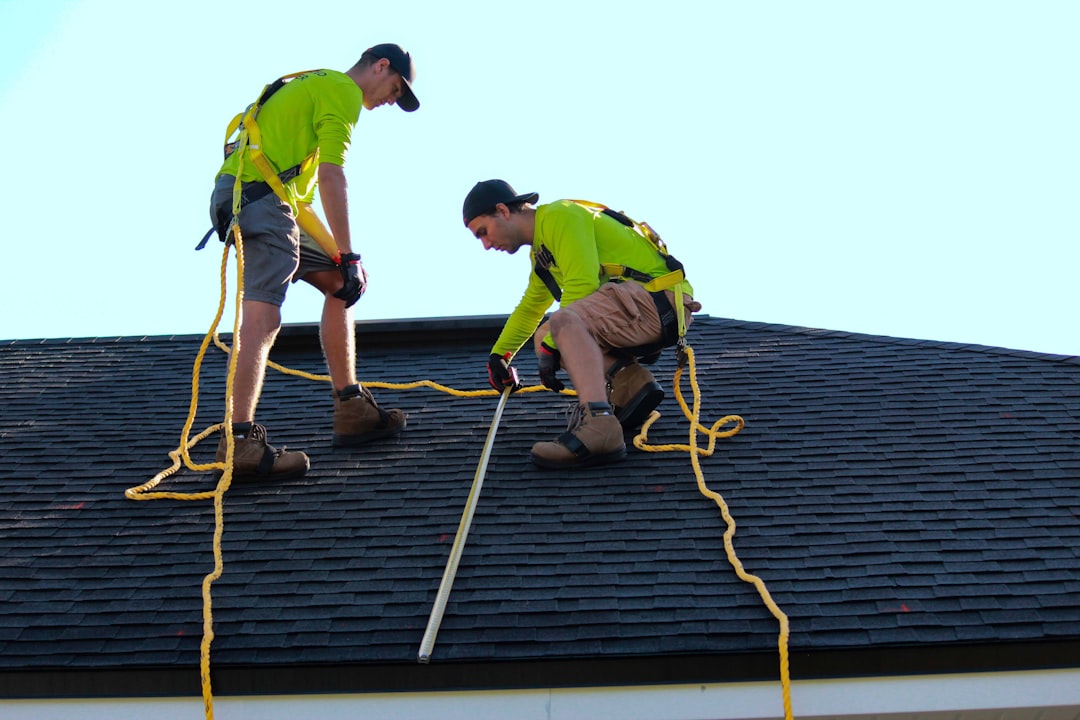
Do not climb onto your roof yourself — this is a safety risk and can actually complicate your claim if you accidentally cause additional damage. Instead, contact a licensed local roofing contractor who can perform a professional inspection and document the damage properly. This documentation becomes critical when your insurance adjuster arrives.
What to Expect When You Contact Your Insurance Company
Once you have photos and a professional inspection report in hand, call your homeowner’s insurance provider to open a claim. Have your policy number ready and be prepared to describe the date of the storm, the type of damage, and the affected areas of your roof. Your insurer will assign a claims adjuster who will schedule a visit to inspect your property.
This is where having a roofing contractor involved early really matters. An experienced Atlanta roofer who understands the local insurance claims process can meet the adjuster on-site, point out damage that might be overlooked, and make sure nothing is missed in the official report. Adjusters handle many claims at once — having an advocate in your corner protects your interests.
Understanding Your Policy: Deductibles, ACV vs. RCV, and Exclusions
Not every roof insurance claim in Atlanta works the same way, because not every policy is the same. Two terms you need to understand are Actual Cash Value (ACV) and Replacement Cost Value (RCV). An ACV policy pays out what your roof is worth today, factoring in depreciation. An RCV policy covers the full cost to replace your roof with new materials. RCV coverage almost always results in a higher payout.
Also check your deductible — many Georgia policies have a separate wind and hail deductible that is higher than your standard deductible. Knowing this before you file helps you plan financially. Review your policy’s exclusions too, particularly around pre-existing wear and tear, because insurers sometimes deny claims by attributing damage to age rather than storm impact. A solid inspection report from a qualified contractor can help counter that argument.
Working With a Local Atlanta Roofing Contractor to Close the Claim
After your adjuster submits their report, your insurance company will send you a scope of loss and an initial payment estimate. Review this carefully. If the estimate seems low or items are missing, you have the right to dispute it. This is another area where a trusted Atlanta roofing contractor adds real value — they can review the scope, identify gaps, and work with your insurer to negotiate a fair settlement.
Once the claim is approved, schedule your roof replacement promptly. Delaying repairs can lead to secondary water damage that your insurer may not cover. Keep all receipts, contracts, and communication in writing throughout the process. A legitimate contractor will also be familiar with supplementing claims when unforeseen damage is discovered during the actual repair.
Filing a roof damage insurance claim in Atlanta doesn’t have to be overwhelming when you have the right team behind you. The process moves faster and produces better outcomes when a professional is involved from day one.
Ready to Get Your Roof Claim Started?
Don’t navigate the insurance process alone. The team at Rapid Roof Now knows Atlanta’s storm patterns, local codes, and the insurance claims process inside and out. We’ll inspect your damage, document everything properly, and stand by your side from the first call to the final nail. Contact Rapid Roof Now today at rapidroofnow.com to schedule your free roof inspection and get your claim moving in the right direction.
Frequently Asked Questions
How long do I have to file a roof insurance claim in Atlanta after storm damage?
Most homeowner’s insurance policies in Georgia require you to file a claim within one year of the date of loss, but some policies have shorter windows. It’s always best to file as soon as possible after a storm. Waiting too long can give insurers grounds to deny your claim, and delayed repairs often lead to additional damage that complicates the process further.
Will filing a roof insurance claim raise my homeowner’s insurance rates?
It depends on your insurer and your claims history. A single weather-related claim typically has less impact on your premium than a liability or water damage claim. That said, multiple claims filed within a few years can affect your rate or even your policy renewal. Talk to your insurance agent before filing if you’re unsure whether the damage exceeds your deductible by enough to make the claim worthwhile.
Can I choose my own roofing contractor for an insurance claim repair in Atlanta?
Yes. In Georgia, you have the right to select your own licensed roofing contractor — your insurance company cannot legally require you to use a specific contractor or preferred vendor list. Choosing a local Atlanta contractor who has experience working with insurance claims is strongly recommended, as they’ll understand the documentation and supplementing process better than a contractor unfamiliar with the claims workflow.
What if my roof insurance claim is denied?
A denial is not necessarily the final word. You can request a re-inspection, submit additional evidence such as an independent contractor’s report, or invoke the appraisal clause in your policy to bring in a neutral third-party appraiser. Many denied claims are successfully overturned when the homeowner works with an experienced roofing professional who can provide detailed documentation of storm-caused damage versus normal wear and tear.