Repair vs. Replace: How to Know When Full Roofing Installation Is the Right Call
Published 5 min read
Every homeowner eventually faces the same tough question: is it worth patching up the old roof one more time, or is it time to commit to a full roofing installation? It’s not always an easy call, but making the right decision now can save you thousands of dollars and a lot of stress down the road. Here’s what you should know before you decide.
Signs Your Home Is Ready for a New Roof Installation
Not every leak means you need to replace your entire roof, but certain warning signs point clearly toward a full replacement. If your roof is approaching the end of its expected lifespan — typically 20 to 30 years for asphalt shingles — repairs are often just temporary fixes on a system that’s already failing. Watch for widespread granule loss in your gutters, shingles that are curling, buckling, or missing entirely, and daylight visible through your attic. Sagging sections or widespread water damage inside your home are also strong indicators that a complete roofing installation is the smarter long-term investment.
Another key factor is repair frequency. If you’ve called a roofer two or three times in the past few years, those repair costs are quietly adding up. At some point, a new roof simply makes more financial sense than continuing to patch a deteriorating one.
What the Roof Installation Process Actually Looks Like
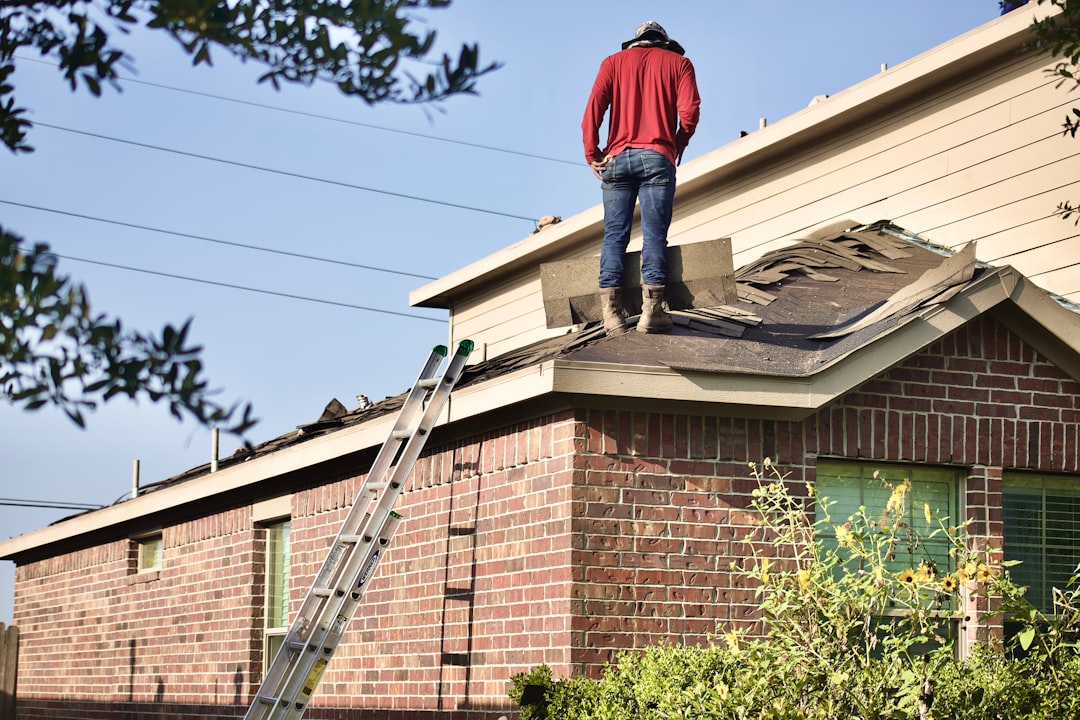
A lot of homeowners feel nervous about a full roof replacement because they’re not sure what to expect. The good news is that a professional installation is more straightforward than most people imagine. The process typically begins with a thorough inspection, followed by the removal of your existing roofing materials. From there, the crew inspects and repairs the decking underneath before installing underlayment, new shingles, flashing around chimneys and vents, and proper ridge ventilation.
For most standard homes, the job is completed in one to two days. A reputable roofing contractor will handle cleanup and a final walkthrough to make sure everything meets both local building codes and manufacturer specifications. Those specifications matter — they’re often required to keep your material warranty valid.
Choosing the Right Materials for Your New Roof
One of the advantages of a complete roof replacement is the opportunity to upgrade your materials. Architectural asphalt shingles remain the most popular choice thanks to their balance of affordability, durability, and curb appeal. But depending on your budget and climate, you might also consider impact-resistant shingles — especially relevant heading into late fall and winter storm season — metal roofing for exceptional longevity, or designer shingles that mimic the look of wood shake or slate without the maintenance burden.
Your roofing contractor should walk you through the options that make sense for your specific home, local weather patterns, and budget. There’s no one-size-fits-all answer, and the right material choice can meaningfully extend the life of your investment.
Why Professional Installation Matters More Than You Think
DIY videos make roofing look achievable, but improper installation is one of the leading causes of premature roof failure. Beyond the physical safety risks of working at height, mistakes in flashing, ventilation, or shingle layering can void manufacturer warranties and lead to leaks that cause far more damage inside your home than the original roof problem ever did.
Hiring a licensed, insured roofing professional means your installation is done correctly the first time, with proper documentation for warranty purposes and peace of mind that your home is protected. It also means someone is accountable if something doesn’t go right.
At Rapid Roof Now, our experienced team guides you through every step — from your initial inspection to final cleanup — so there are no surprises along the way. If you’re weighing your options or suspect your roof may be overdue for replacement, don’t wait. Catching problems early almost always costs less than dealing with them after damage spreads.
Contact Rapid Roof Now today for a free inspection and honest assessment. We’ll give you a straight answer and a clear plan — no pressure, no guesswork. Visit rapidroofnow.com or call us to schedule your appointment.
Frequently Asked Questions
How long does a roofing installation typically take?
Most residential roof installations are completed within one to two days, depending on the size of the home, the materials being used, and weather conditions. Larger or more complex roofs with multiple angles, skylights, or chimneys may take an additional day. Your contractor should give you a clear timeline before work begins.
How much does a new roof installation cost?
Costs vary significantly based on roof size, pitch, material choice, and local labor rates. Asphalt shingle installations are generally the most affordable option, while metal or premium designer shingles carry a higher upfront cost but often offer better long-term value. Getting at least two or three detailed quotes from licensed contractors is the best way to understand what your specific project will cost.
Will homeowners insurance cover roof installation?
Homeowners insurance may cover roof replacement if the damage was caused by a covered event such as a storm, hail, or falling debris. Damage resulting from normal wear and age is typically not covered. It’s worth reviewing your policy and having a roofing professional document the damage thoroughly before filing a claim.
How do I know if I need a full roof replacement or just a repair?
If damage is limited to a small, isolated area and the rest of your roof is in good condition, a repair is often sufficient. However, if your roof is aging, damage is widespread, or you’ve needed multiple repairs recently, a full replacement is usually the more cost-effective solution over the long term. A professional inspection is the most reliable way to get a clear answer.