Don’t Wait Until It Gets Worse: 5 Signs You Need Roof Repair Near You
Published 5 min read
A small roof problem rarely stays small for long. What starts as a missing shingle or a hairline crack can turn into a full-blown leak, damaged insulation, and costly interior repairs — often before you even notice something is wrong. If you’ve been putting off a roof inspection or searching for local roofing help, this post will walk you through what to watch for and why acting sooner almost always saves you money.
Warning Signs Your Roof Is Telling You Something
Your roof isn’t going to send you a text, but it does communicate — if you know what to look for. Here are five of the most common red flags that mean it’s time to call a professional:
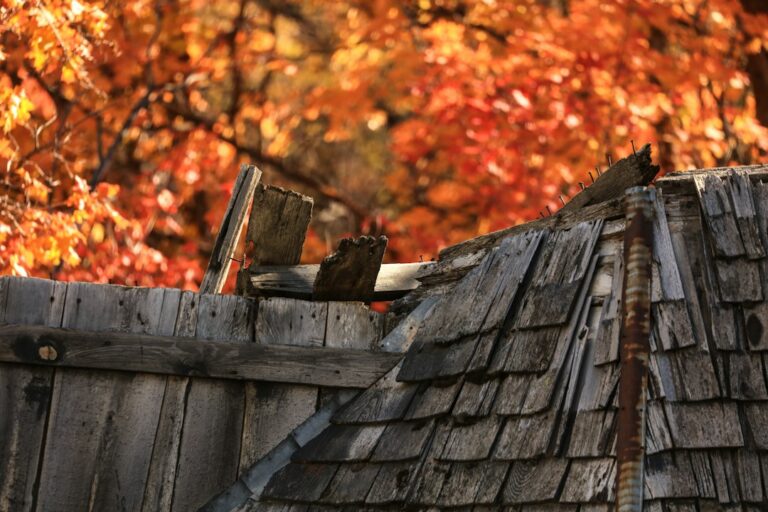
1. Shingles that are curling, cracking, or missing entirely. This exposes the underlayment beneath and leaves your home vulnerable to water damage with every rainstorm.
2. Granules in your gutters. Those small, sand-like particles you find collecting in the downspout aren’t just debris — they’re the protective coating coming off your shingles. Heavy granule loss is a sign your roof is aging out.
3. Water stains on your ceiling or walls. Brown rings or discoloration inside your home almost always trace back to a roof leak, even if the source is hard to pinpoint.
4. Sagging areas on the roofline. A dip or sag in your roof deck suggests structural damage that goes beyond surface-level repairs. This one needs attention fast.
5. Daylight visible in your attic. If you can see light coming through the roof boards when you’re up in the attic, water can get through just as easily.
How Bad Weather in October Can Accelerate Existing Damage
Fall is one of the most important times of year to address roofing problems. As temperatures drop and storm activity picks up, any existing weak points in your roof become entry points for wind, rain, and debris. October in particular brings heavy leaf buildup that traps moisture against shingles and around flashing — speeding up deterioration you might not even see yet. Getting a roof inspection done now, before winter sets in, can prevent a manageable fix from becoming a major replacement project.
Repair vs. Replacement: How Do You Know Which One You Need?
This is one of the most common questions homeowners ask when they find a problem. The honest answer depends on the age of your roof, the extent of the damage, and whether the issues are isolated or widespread. As a general rule, if your roof is under 15 years old and the damage is contained to a specific area, targeted repairs are usually the right call. If your roof is older and showing multiple problem areas, a full replacement might be the smarter long-term investment. A qualified local roofing contractor can give you a clear-eyed assessment — without pressure in either direction.
Why Choosing a Local Roofing Company Matters
When you search for roof repair near me, you’re not just looking for convenience — you’re looking for someone who understands your region’s climate, building codes, and the specific challenges your home faces. A national chain doesn’t know that your neighborhood gets hit harder by wind-driven rain, or that certain roofing materials hold up better in your area’s freeze-thaw cycles. A local contractor does. They’re also easier to reach if a follow-up issue comes up, and their reputation is built right here in your community.
At Rapid Roof Now, we combine local expertise with fast response times so your home gets the protection it needs without the runaround.
Frequently Asked Questions
How much does a typical roof repair cost?
The cost of a roof repair varies widely depending on the type of damage, the materials involved, and the size of the affected area. Minor repairs like replacing a few shingles might run a few hundred dollars, while more significant work involving flashing, decking, or multiple sections can cost more. The best way to get an accurate number is to request a free inspection and quote from a trusted local roofer.
Can I do roof repairs myself?
Some very minor repairs — like resealing a lifted shingle — are DIY-friendly if you’re comfortable on a ladder and working at height. However, most roof repairs involve identifying the true source of the problem, which isn’t always where the damage appears. A professional can trace a leak to its origin and fix it correctly the first time, which usually saves money compared to repeated DIY attempts that don’t fully solve the issue.
How long does a roof repair take?
Most standard roof repairs can be completed in a single day, and many are done in just a few hours. Larger or more complex jobs may take longer, especially if structural work is involved. Your roofing contractor should be able to give you a realistic time estimate after the initial inspection.
Will my homeowner’s insurance cover roof repairs?
It depends on the cause of the damage. Most homeowner’s insurance policies cover roof repairs when the damage is sudden and caused by a covered event — like a storm, hail, or fallen tree. Damage from neglect or normal wear and tear is typically not covered. It’s worth reviewing your policy and talking to your insurance provider, and a reputable roofing company can often help document the damage if you need to file a claim.
Don’t let a small roofing issue become a major headache this winter. The team at Rapid Roof Now is ready to inspect your roof, give you an honest assessment, and get the work done quickly and correctly. Contact us today at rapidroofnow.com to schedule your free inspection — before the next storm makes the decision for you.