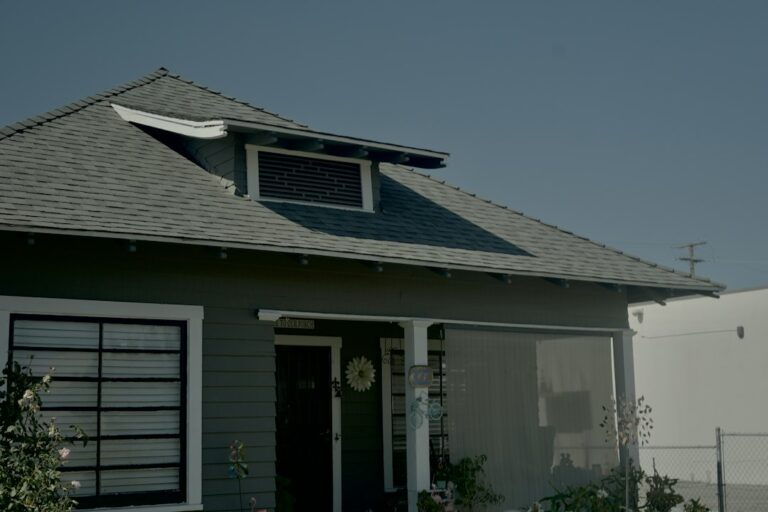
Don’t Ignore a Leaking Roof: Here’s What Happens When You Wait
Published 5 min read
A small drip from your ceiling might seem like a minor annoyance, but a leaking roof is one of those home problems that gets worse — and more expensive — the longer it sits. What starts as a stain on your drywall can quickly escalate into structural damage, mold growth, and sky-high repair bills. Understanding what causes roof leaks and how to respond quickly can save you thousands of dollars and a whole lot of stress.
Common Causes of Roof Leaks You Shouldn’t Overlook
Roof leaks rarely happen out of nowhere. In most cases, there’s an underlying issue that’s been quietly developing for months — or even years. Some of the most frequent culprits include damaged or missing shingles, cracked flashing around chimneys and vents, clogged gutters that force water back under the roofline, and worn-out pipe boot seals. Skylights and roof valleys are also notorious trouble spots where water tends to collect and eventually work its way inside. Fall weather, like what many homeowners are dealing with right now in October, brings heavy rain and wind that expose every weak point in an aging roof.
The tricky part? The place where water drips into your home isn’t always directly below the actual source of the leak. Water travels along rafters and roof sheathing before it finds a low point to drip through, which means the real damage can be spreading in areas you can’t even see yet.
Warning Signs Your Roof May Already Be Leaking
You don’t always need a rainstorm to tip you off. Watch for these warning signs that water may already be getting into your home:
Water stains on ceilings or walls — yellowish or brownish rings are a telltale sign of a moisture problem above. Bubbling or peeling paint on interior walls or ceilings can indicate trapped moisture. A musty smell in your attic often points to condensation or a slow roof leak feeding mold growth. Granules in your gutters suggest your shingles are deteriorating and losing their weatherproofing ability. And if you notice daylight coming through your attic when you look up, that’s a clear sign water has a direct path in.
Catching these signs early is the difference between a manageable repair and a full roof replacement.
The Real Cost of Delaying Roof Leak Repairs
Homeowners sometimes put off fixing a roof leak because they’re worried about the cost. But the math almost always works against waiting. A minor shingle repair or flashing fix is a fraction of the cost of replacing water-damaged insulation, rotted decking, or mold-remediated drywall. Insurance companies also look closely at whether damage resulted from a sudden event or from neglected maintenance — and prolonged leaks often fall into the latter category, which can affect your claim.
Acting fast when you first notice a problem protects not just your roof, but your home’s structural integrity and your wallet. A professional inspection can pinpoint exactly where the leak originates and give you a clear picture of what needs to be done before the next round of rain arrives.
What to Do Right Now If You Suspect a Roof Leak
If you think your roof may be leaking, don’t wait for the next downpour to confirm it. Start by checking your attic with a flashlight for any signs of moisture, staining, or daylight. Place buckets to catch active drips if needed, and move valuables out of affected areas. Document the damage with photos in case you need to file an insurance claim. Then call a licensed roofing contractor as soon as possible — ideally before the weather gets worse.
Temporary tarping can help prevent additional water intrusion while you wait for repairs, but it’s not a substitute for a real fix. A qualified roofer will find the true source of the problem and make sure it’s addressed properly so you’re not dealing with the same issue a month from now.
At Rapid Roof Now, we respond quickly to roof leaks and water damage because we know time is everything when your home is at risk. Our experienced team will inspect your roof, explain your options clearly, and get to work fast — so you can stop worrying and start feeling protected again. Contact Rapid Roof Now today at rapidroofnow.com to schedule your inspection before the next storm hits.
Frequently Asked Questions
How do I find where my roof is leaking from?
Start in your attic with a flashlight and look for water stains, wet insulation, or daylight coming through the roof boards. Because water travels before it drips, the leak source is often uphill from where you see the damage indoors. A professional roofer has the tools and experience to trace the exact origin quickly and accurately.
Can a small roof leak fix itself?
No — roof leaks do not fix themselves. Even a slow drip will continue to allow moisture into your home, leading to rot, mold, and structural damage over time. Warmer, drier weather may temporarily reduce visible dripping, but the underlying vulnerability in your roof remains and will worsen with the next rain.
How much does it cost to fix a leaking roof?
The cost depends heavily on the cause and extent of the damage. Minor repairs like replacing flashing or a few shingles can be relatively affordable, while more extensive damage involving the roof decking or multiple areas can cost significantly more. Getting a professional inspection as early as possible is the best way to keep repair costs manageable.
Will homeowners insurance cover a roof leak?
It depends on the cause. Most homeowners insurance policies cover sudden, accidental damage — like a leak caused by a storm. However, leaks resulting from deferred maintenance or gradual wear are often excluded. Documenting the damage promptly and working with a licensed roofer can help support your insurance claim.